
What Makes Selling a House in Long Island Different From Other Markets
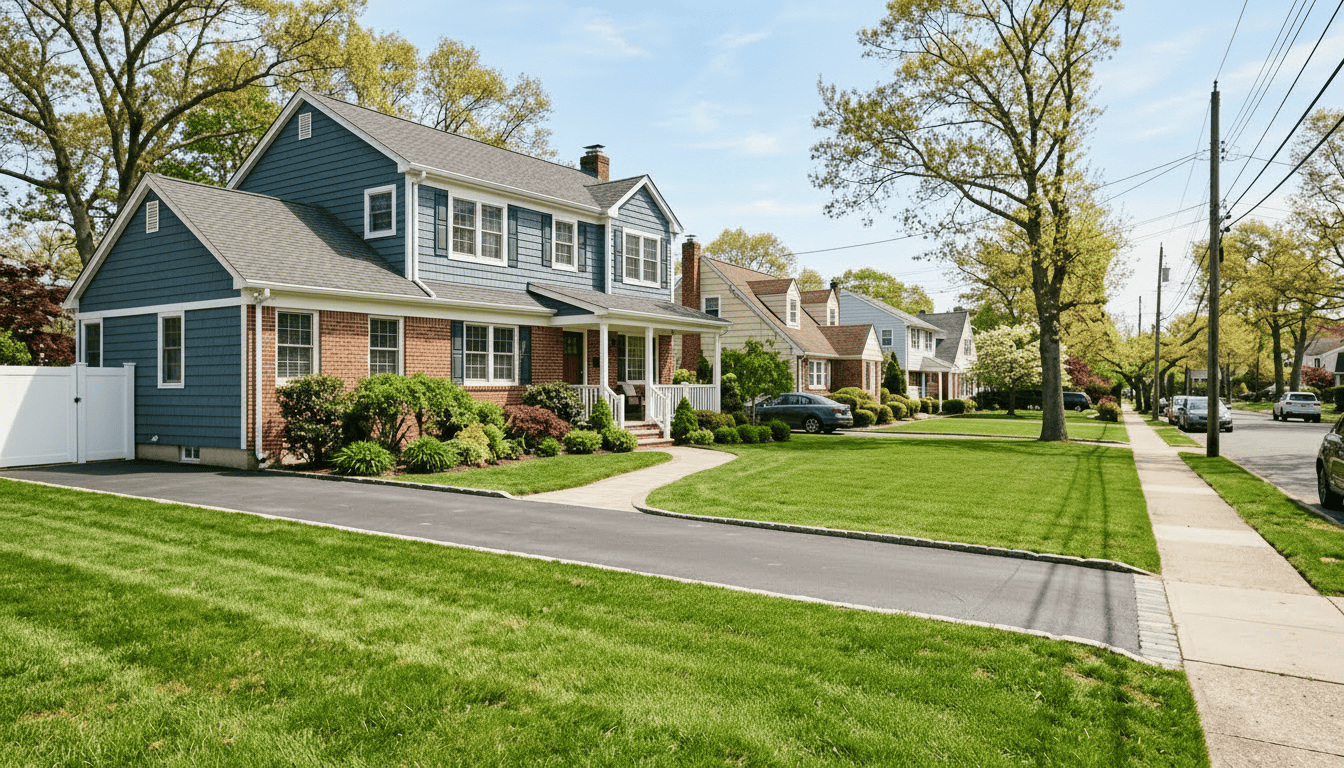
The process of selling a home can vary significantly depending on the location. In Long Island, homeowners often look for ways to sell their house quickly because the market moves in its own unique way. Higher demand, limited housing options, and buyers who expect well-maintained properties make selling here different from many other cities.
Understanding these local market conditions can help homeowners plan better and avoid unnecessary delays. By knowing what buyers expect and how pricing trends work, sellers can make informed decisions and choose the best approach for a faster and smoother sale.
How Do Home Prices in Long Island Compare to Other Housing Markets?
Home values can vary widely depending on location, property type, and market conditions. Compared with many other cities, Long Island often maintains stronger home prices due to consistent demand.
| Feature | Long Island | Other Markets / Cities |
|---|---|---|
| Home Prices | Generally higher than the national average due to strong demand and limited inventory | Can be lower or more variable depending on local supply and economic conditions |
| Seller Price Expectations | Sellers often expect premium prices due to market strength | Sellers may have lower or more flexible expectations |
| Buyer Expectations | Buyers expect move-in-ready homes and may scrutinize small issues | Buyers may be more willing to negotiate or overlook minor repairs |
| Competition | High competition with similar homes, especially updated or renovated properties | Competition can be less intense, depending on inventory and location |
| Market Dynamics | Fast-paced with high demand in popular areas | The market may be slower or more seasonal, depending on the city |
By understanding these differences, homeowners can better price their homes, prepare for buyer expectations, and choose the most effective way to sell.
Challenges That Can Delay Your Sale in Long Island
Even in a high-demand market like Long Island, some homes take longer to sell due to specific challenges. Understanding these factors can help homeowners prepare and take the right approach.
- Property Condition: Many homes in Long Island were built decades ago. While older properties can have charm, they may require updates or repairs to meet modern buyer expectations. Homes in need of work may attract fewer buyers, slowing the sale.
- Pricing Strategy: Setting the right price is crucial. Overpricing can reduce buyer interest, extend the listing period, and make your home less competitive in a fast-moving market.
- Buyer Expectations: Many buyers seek move-in-ready homes. If your property needs significant work, it may take longer to find the right buyer who is willing to invest in renovations.
- Market Timing and Costs: Seasonal changes, broader economic trends, and traditional selling costs such as agent commissions, repairs, and closing fees can all influence how quickly a home sells.
By addressing these challenges proactively, homeowners can reduce delays and improve their chances of a faster, smoother sale.
Selling Options for Long Island Homeowners
Homeowners in Long Island typically have two main ways to sell their homes. The traditional route involves listing with a real estate agent, hosting showings or open houses, and waiting for buyers to make offers, which can take several weeks or months depending on market conditions. Alternatively, working with cash buyers offers a faster, simpler solution, allowing homeowners to sell quickly, often as-is, and avoid the time, effort, and uncertainty of the traditional process.
Timeline of Selling a House in Long Island Traditionally
| Stage | Typical Duration | What Happens During This Stage |
|---|---|---|
| Preparation & Listing | 1–4 weeks | Cleaning, staging, minor repairs, professional photography, listing creation, and setting the asking price |
| Marketing & Showings | 2–8+ weeks | Hosting open houses and private showings, responding to inquiries, buyer inspections, and receiving offers |
| Negotiation & Contract | 1–3 weeks | Reviewing offers, negotiating terms, and finalizing the purchase agreement |
| Closing Process | 4–8 weeks | Home inspections, appraisals, mortgage approvals, signing closing documents, transferring ownership |
How Cash Buyers Make Selling a House in Long Island Easier
Working with cash buyers in Long Island can simplify the entire selling process. Unlike traditional sales, this option allows homeowners to:
- Sell quickly: Cash buyers can often make immediate offers and close in just days instead of weeks or months.
- Avoid repairs: Many cash buyers purchase homes as-is, so sellers do not need to spend time or money on renovations.
- Skip showings and open houses: There is no need for multiple home showings or staging, which saves effort and stress.
- Reduce uncertainty: Cash sales eliminate the risk of deals falling through due to financing issues.
For homeowners who want a fast, straightforward sale without the delays and complications of the traditional market, cash buyers provide a reliable and convenient solution.
Trusted Solutions for a Fast and Stress-Free Sale
Selling a home in Long Island comes with unique challenges, from higher prices and strong buyer expectations to older homes that may need updates. Understanding the local market, knowing what buyers want, and choosing the right selling strategy can make a big difference.
For homeowners who want a fast, simple, and reliable sale, Will Buys LI provides a trusted solution. By avoiding repairs, skipping lengthy showings, and closing quickly, sellers can enjoy a smoother process while saving time, effort, and stress.
Frequently Asked Questions
Yes. Higher property values, strong buyer demand, and older housing inventory can make the process different from many other real estate markets.
Not always. While updated homes may attract more buyers, many properties sell without major renovations, depending on pricing and buyer interest.
The timeline varies depending on the market, the property condition, and the selling method chosen.
Yes. Some homeowners sell directly to buyers who purchase properties without traditional listings or showings.